
Blog

Why We Over-Apologize and Practical Steps to Stop It
You bump into a chair and apologize to it. A colleague interrupts you mid-sentence and you say sorry for speaking. Someone cancels plans on you and you find yourself apologizing for their inconvenience. If any of this sounds familiar, you are not alone — and you are probably not just being polite. Over-apologizing is one of the most common behavioral patterns that therapists encounter, particularly among people dealing with anxiety.

Imposter Syndrome Is Real — And Anxiety Therapy Might Be the Key to Finally Beating It
You just got promoted. Your colleagues are congratulating you, your boss is singing your praises, and everything on paper says you’ve made it. So why does a nagging little voice in your head keep whispering, “They’re going to figure out you have no idea what you’re doing”?
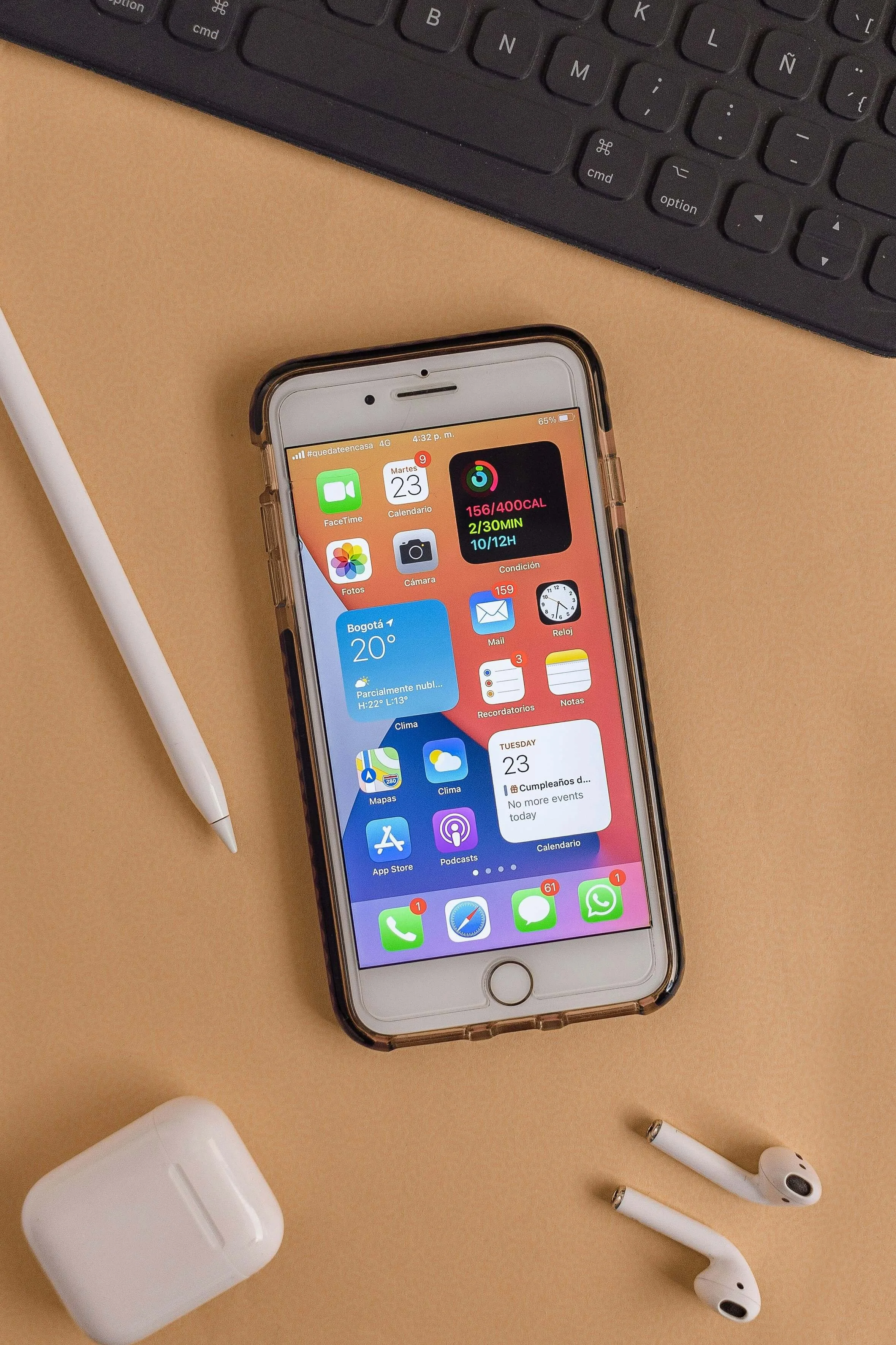
The Dopamine Drain: How Tech Habits Are Quietly Fueling Depression
You pick up your phone to check one notification. Twenty minutes later, you’re deep in a feed of strangers’ highlight reels, political arguments, and algorithmically curated outrage — and somehow you feel worse than before you started.
This isn’t a coincidence. It isn’t a lack of willpower. It’s neuroscience.