
The Dopamine Drain: How Tech Habits Are Quietly Fueling Depression
Introduction: When the Scroll Never Ends
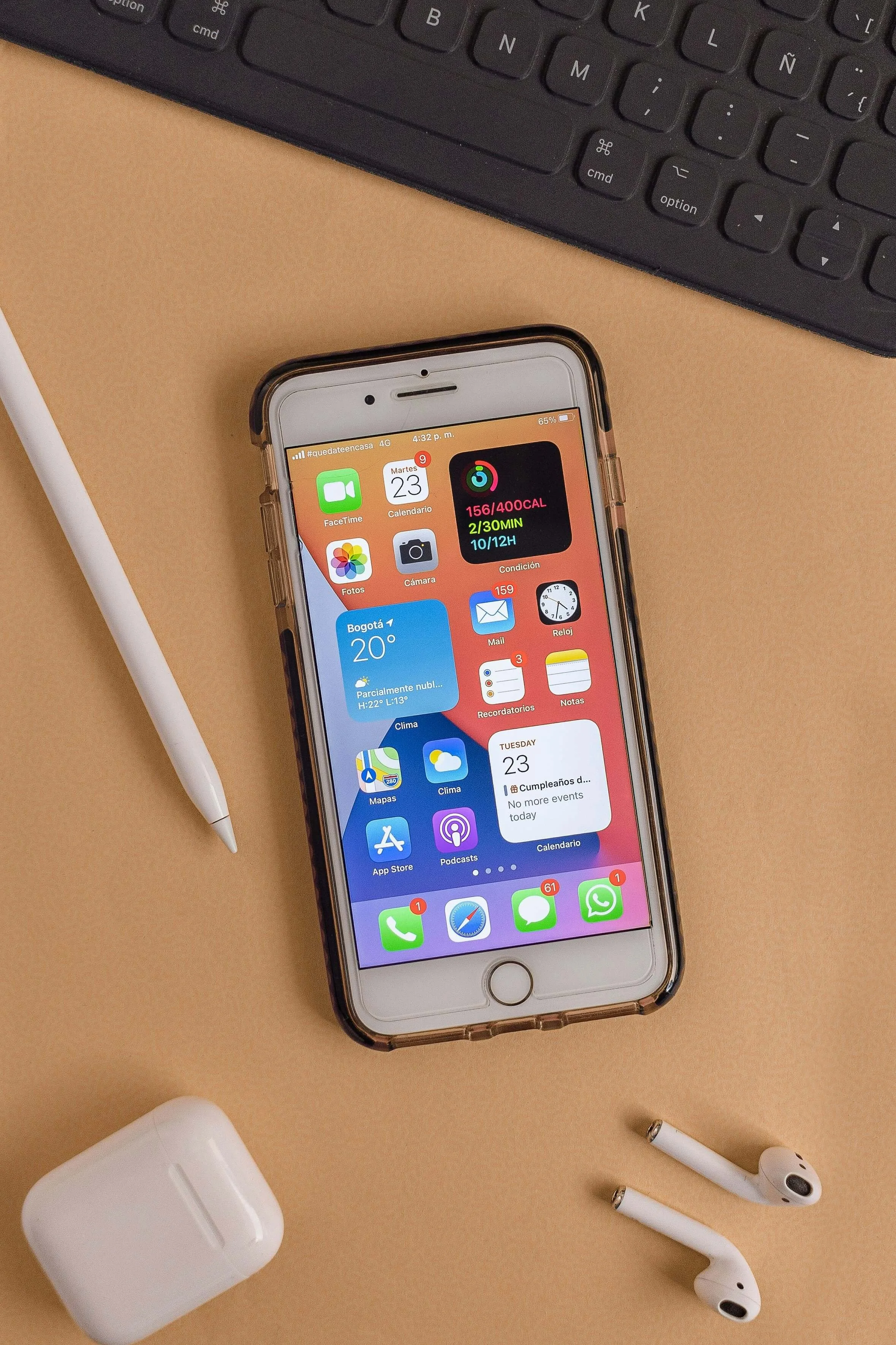
You pick up your phone to check one notification. Twenty minutes later, you’re deep in a feed of strangers’ highlight reels, political arguments, and algorithmically curated outrage — and somehow you feel worse than before you started.
This isn’t a coincidence. It isn’t a lack of willpower. It’s neuroscience.
For millions of people living with depression, technology has become a double-edged sword. It promises connection but often delivers isolation. It promises entertainment but frequently leaves us feeling empty. At the center of this paradox is one of the brain’s most important chemical messengers: dopamine.
Understanding the relationship between your tech habits and your dopamine system may be one of the most important steps you can take in your mental health journey.
What Is Dopamine — and Why Does It Matter for Depression?
Dopamine is often called the “feel-good” chemical, but that label is a little misleading. Dopamine isn’t really about pleasure — it’s about anticipation and motivation. It’s the neurological signal that says, something rewarding is coming, keep going.
When your dopamine system is healthy, it helps you:
• Feel motivated to pursue goals
• Experience satisfaction when you complete tasks
• Maintain interest in relationships and hobbies
• Regulate your mood and emotional resilience
In people experiencing depression, the dopamine system is often dysregulated. Research consistently shows that depression is linked to reduced dopamine signaling — which is why people with depression frequently report anhedonia, the inability to feel pleasure or interest in things they once loved.
Here’s the critical issue: many of our most common technology habits are actively working against our dopamine system, making depression harder to manage and easier to worsen.
The Tech Habits That Are Draining Your Dopamine
1. Infinite Scroll and the Dopamine Loop
Social media platforms are engineered — deliberately and precisely — to hijack your dopamine system. The infinite scroll, the pull-to-refresh gesture, the unpredictable appearance of a rewarding post: these are all designed to mimic the neurological pattern of a slot machine.
Every time you scroll and see something mildly interesting, your brain releases a small burst of dopamine. But because the reward is unpredictable (sometimes you get something great, sometimes you don’t), your brain stays locked in anticipation mode — the same mechanism behind gambling addiction.
Over time, this pattern floods your brain with low-quality dopamine hits. The result is that natural rewards — a genuine conversation, a walk outside, completing a creative project — begin to feel flat and uninteresting by comparison. Your dopamine receptors become desensitized, requiring bigger and bigger stimulation to feel anything at all.
For someone already managing depression, this cycle can be devastating.

2. Notification Overload and Chronic Stress
The average smartphone user receives between 65 and 80 notifications per day. Each ping is a micro-interruption — a tiny spike of cortisol (your stress hormone) paired with a fleeting dopamine hit as you check to see what it is.
This constant switching fractures your attention and keeps your nervous system in a low-grade state of alert. Chronic stress actively suppresses dopamine production. Over weeks and months, this contributes to the flat, exhausted, unmotivated feeling that characterizes depressive episodes.
What feels like staying connected is, neurologically speaking, a form of chronic stress exposure.
3. Comparison Culture and the Negativity Gap
Social media presents a curated, filtered, highlight-reel version of other people’s lives. Intellectually, most of us know this. Neurologically, our brains don’t process it that way.
When you scroll past images of friends’ vacations, relationship milestones, career achievements, and seemingly perfect bodies, your brain processes these as social comparisons — and humans are deeply, evolutionarily wired to care about social status and belonging.
Repeated exposure to upward social comparison lowers self-esteem, increases rumination, and activates the same neural pathways associated with social rejection. For someone with depression, who is already prone to negative self-appraisal, this is like pouring salt into an open wound.
4. Blue Light and Sleep Disruption
Depression and sleep dysfunction are so deeply intertwined that researchers sometimes struggle to determine which causes which. Technology is making both worse.
The blue light emitted by screens suppresses melatonin production, delaying the onset of sleep and reducing sleep quality. Poor sleep directly impairs dopamine receptor function. A single night of disrupted sleep measurably reduces dopamine availability in key regions of the brain associated with motivation and reward.
If you’re reaching for your phone in the hour before bed, you’re not just losing sleep time — you’re actively compromising your brain’s ability to regulate mood the following day.
Why Willpower Isn’t the Answer
It’s tempting to frame technology overuse as a discipline problem. If you were just stronger, more focused, less addicted — you’d put the phone down.
This framing is both inaccurate and harmful, particularly for those with depression.
Depression itself impairs the prefrontal cortex — the part of the brain responsible for impulse control, decision-making, and long-term thinking. Asking someone with depression to simply “use their willpower” to resist platforms engineered by teams of behavioral scientists is setting them up to fail and then blame themselves for it.
Recovery from a dopamine-draining tech environment requires structural changes, not moral effort.

Evidence-Based Strategies for Reclaiming Your Dopamine System
Create Intentional Technology Boundaries
Rather than aiming for complete abstinence (which often backfires), focus on designed use. Set specific times for checking social media — perhaps twice a day, for a defined window. Keep your phone out of the bedroom. Turn off non-essential notifications entirely.
These aren’t restrictions; they’re acts of self-protection.
Rebuild Your Natural Reward Pathways
Your brain can recover its sensitivity to natural rewards, but it takes time and deliberate practice. Activities that support healthy dopamine production include:
• Physical exercise, even a 20-minute walk, which consistently raises dopamine and serotonin levels
• Creative activities like writing, drawing, cooking, or playing music
• Social connection in person or via voice, rather than text-based interaction
• Small, achievable goals that create genuine completion satisfaction
Start small. With depression, the goal isn’t transformation — it’s direction.
Practice Boredom Without Reaching for Your Phone
One of the most powerful things you can do for your dopamine system is to tolerate boredom. Boredom is the brain’s signal that it’s ready to generate intrinsic motivation. When you immediately fill every quiet moment with a screen, you never allow that process to begin.
Sit with the discomfort for a few minutes. Let your mind wander. Over time, this restores your capacity for internally generated interest and motivation — exactly what depression erodes.
Work With a Therapist on the Underlying Patterns

Technology overuse in the context of depression is rarely just about the apps. It’s often tied to avoidance — using scrolling to escape painful thoughts, loneliness, anxiety, or grief. Cognitive Behavioral Therapy (CBT), Acceptance and Commitment Therapy (ACT), and other evidence-based approaches can help you understand and address the emotional drivers beneath the habit.
A therapist can also help you build a personalized plan that accounts for your specific depression profile, your triggers, and your strengths.
You Are Not Broken — But Your Environment May Be
Depression is not a character flaw. And struggling to put down your phone in a world designed to keep you on it is not weakness. It is an entirely predictable human response to a neurologically exploitative environment.
The path forward isn’t about hating technology or living off-grid. Depression therapy is about understanding how your brain works, recognizing what’s working against it, and making conscious choices that support your recovery.