
Blog

Imposter Syndrome Is Real — And Anxiety Therapy Might Be the Key to Finally Beating It
You just got promoted. Your colleagues are congratulating you, your boss is singing your praises, and everything on paper says you’ve made it. So why does a nagging little voice in your head keep whispering, “They’re going to figure out you have no idea what you’re doing”?
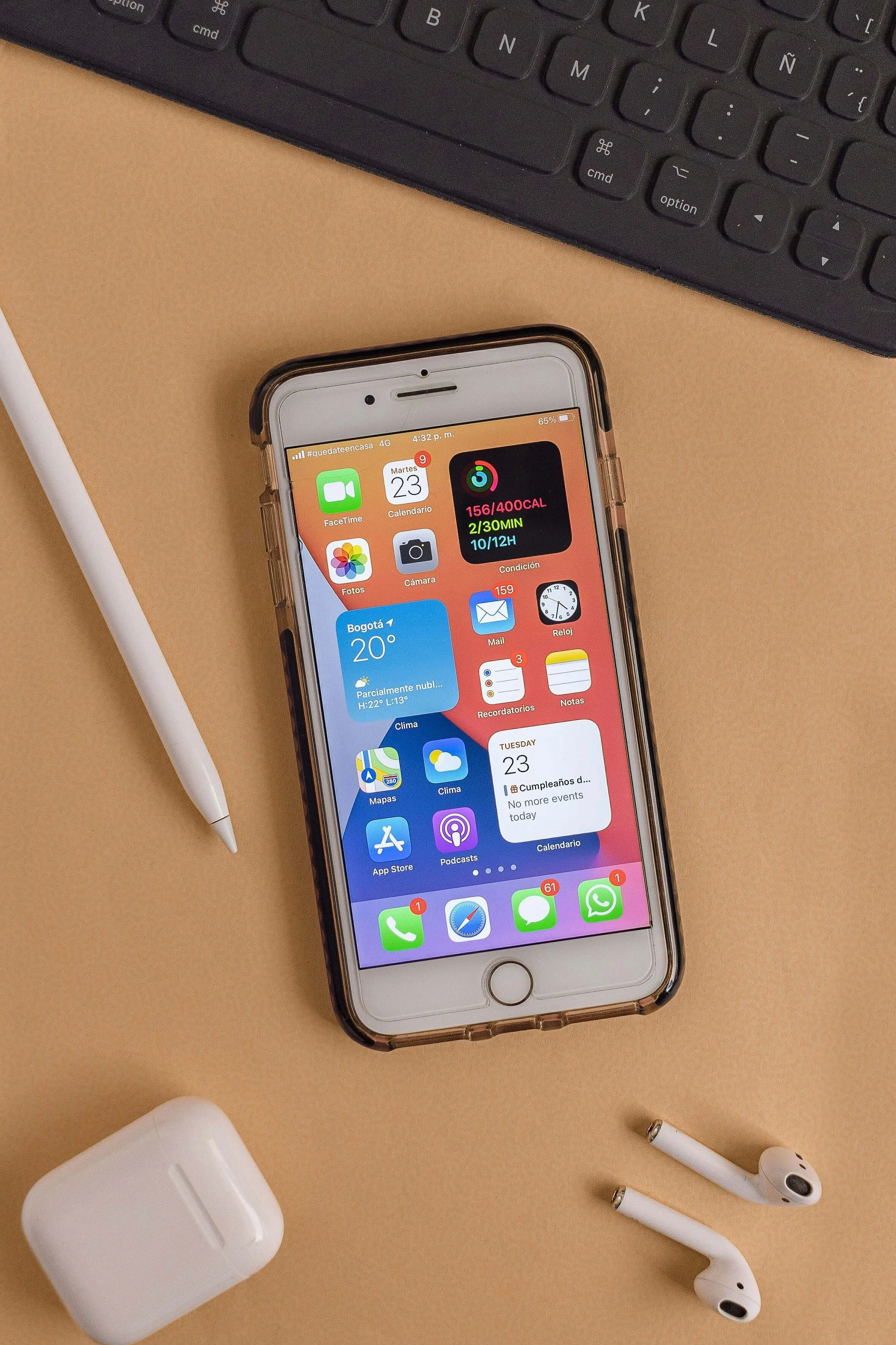
The Dopamine Drain: How Tech Habits Are Quietly Fueling Depression
You pick up your phone to check one notification. Twenty minutes later, you’re deep in a feed of strangers’ highlight reels, political arguments, and algorithmically curated outrage — and somehow you feel worse than before you started.
This isn’t a coincidence. It isn’t a lack of willpower. It’s neuroscience.

Why Routine Social Check-Ins Improve Depression Recovery
Depression has a cruel way of cutting people off from the very thing that could help them most: other people. When the weight of low mood, fatigue, and hopelessness sets in, the instinct is often to withdraw — to cancel plans, stop answering messages, and quietly disappear from the lives of those who care. Yet research consistently tells us that social connection is one of the most powerful factors in depression recovery.
Depression therapy has long recognized this. Whether through interpersonal therapy or structured CBT programs, effective treatment often places human connection at its center. In this article, we explore why routine social check-ins — small, regular moments of contact with others — can meaningfully support depression recovery, and how you can use them as part of your healing journey.