
Depression Therapy: Ten Action Steps To Help Find Hope
If You’re in Crisis, Seek Immediate Help (988)
If hopelessness includes thoughts of harming yourself or believing others would be better off without you, immediate support is critical.
Contact:
A local crisis hotline (988)
Emergency services (911)
A trusted individual
You deserve immediate care and protection. Hopelessness can distort perception in dangerous ways. Reaching out in those moments can save your life.
Hopelessness can feel heavy, isolating, and endless. When you’re in it, the future may look blank or dark. Motivation disappears. Even small tasks feel overwhelming. You may wonder if things will ever change.
Hopelessness can feel heavy, isolating, and endless. When you’re in it, the future may look blank or dark. Motivation disappears. Even small tasks feel overwhelming. You may wonder if things will ever change.If this sounds familiar, you’re not alone. And more importantly, you are not beyond help.
Depression therapy offers practical tools, emotional support, and evidence-based strategies that help people rediscover hope—even when it feels completely out of reach. Hope is not something you either “have” or “don’t have.” It’s something that can be rebuilt.
In this article, we’ll explore how depression therapy supports healing and share meaningful steps you can take to begin finding light again.
Understanding Hopelessness in Depression
Hopelessness is one of the core symptoms of depression. It often shows up as:
Believing nothing will improve
Feeling like a burden
Losing interest in previously enjoyed activities
Struggling to imagine a positive future
Persistent negative self-talk

Depression alters brain chemistry, thought patterns, and energy levels. It narrows your perspective so that temporary pain feels permanent.
This is why depression therapy focuses not just on “cheering you up,” but on reshaping how you interpret your experiences, regulate emotions, and reconnect with meaning.
Hopelessness is a symptom—not a prophecy.
What Depression Therapy Really Does
Many people misunderstand depression therapy. It’s not simply talking about your feelings (though that’s part of it). It’s a structured, collaborative process designed to:
Identify unhelpful thinking patterns
Address underlying emotional wounds
Improve daily functioning
Build coping strategies
Restore motivation and purpose
Evidence-based approaches like Cognitive Behavioral Therapy (CBT), Acceptance and Commitment Therapy (ACT), and Interpersonal Therapy (IPT) are proven to reduce depressive symptoms and increase hope over time.
Hope grows when you see small evidence of change. Depression therapy helps create those small wins.
Step 1: Start with Tiny, Achievable Actions
When feeling hopeless, big goals feel impossible. Depression therapy often begins with behavioral activation—a strategy focused on small, manageable actions.
Instead of:
“I need to fix my entire life.”
Try:
“I will sit outside for five minutes.”
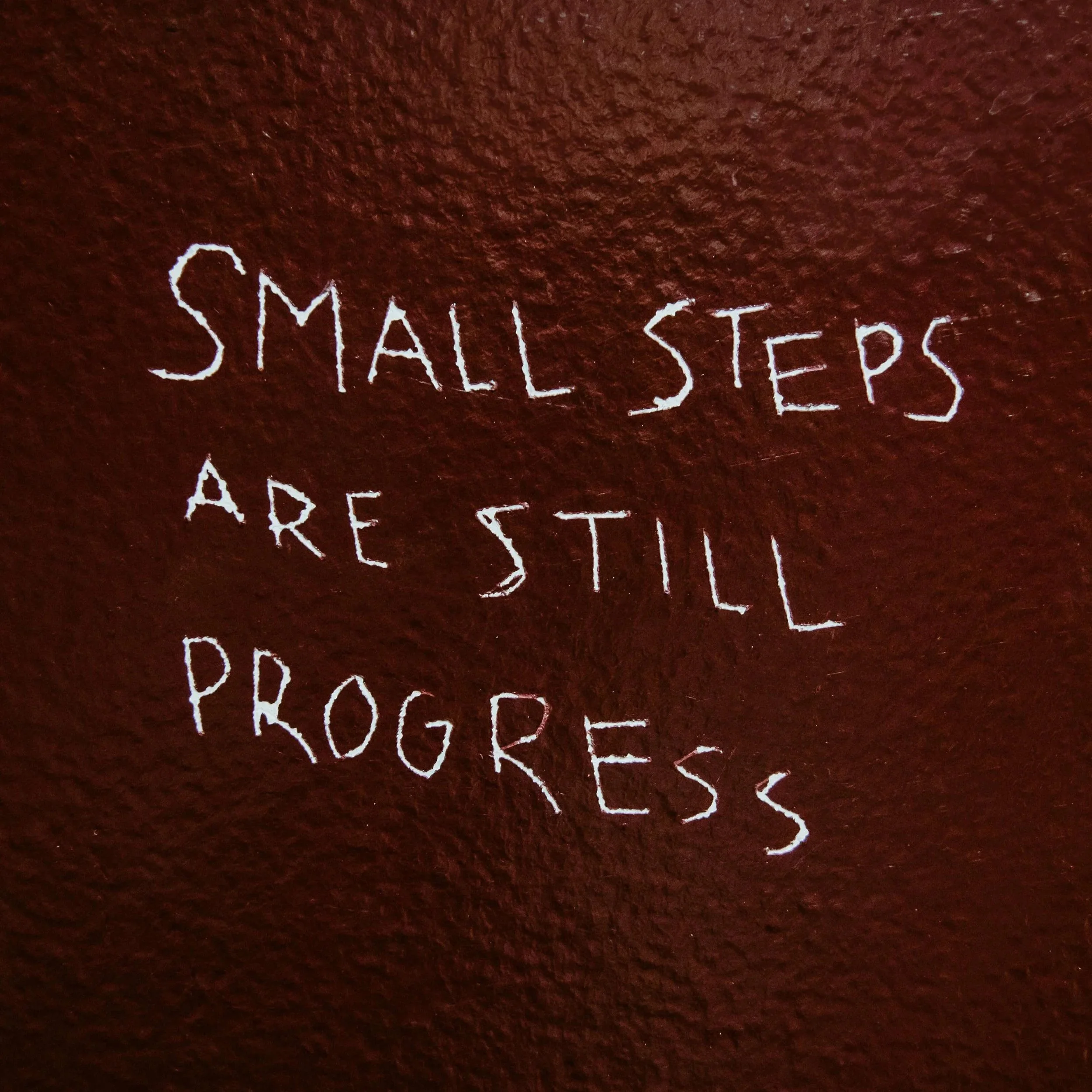
Small actions create momentum. Momentum builds confidence. Confidence opens the door to hope.
Examples of tiny actions:
Making your bed
Sending one text
Taking a short walk
Drinking a full glass of water
Showering
These may seem insignificant, but when depression drains energy, these are victories.
Depression therapy teaches that motivation often follows action—not the other way around.
Step 2: Challenge the “Nothing Will Ever Change” Thought
Hopelessness thrives on absolute thinking:
“Nothing will improve.”
“I always fail.”
“There’s no point.”
In depression therapy, one core technique involves examining the evidence behind these thoughts.
Ask yourself:
Is this 100% true?
Have there been times—even small ones—when things felt slightly better?
What would I say to a friend who felt this way?
Depression convinces you that the future is predetermined. Therapy helps you see that thoughts are interpretations, not facts.
You don’t have to believe hopeful thoughts right away. You only need to allow the possibility that your current thoughts might not be the full truth.
Step 3: Reconnect with Meaning (Even in Small Ways)
Hopelessness often disconnects you from meaning. Depression therapy gently explores questions like:
What used to matter to you?
Who do you care about?
What values still feel important, even faintly?
You don’t need passion to act on values. Sometimes meaning returns after behavior shifts.
For example:
If you value kindness, perform one small act of kindness.
If you value creativity, doodle for five minutes.
If you value connection, send one honest message.
Hope often returns when you act in alignment with who you want to be—even if you don’t feel it yet.

Step 4: Reduce Isolation
Depression isolates. It whispers that you’re alone, misunderstood, or a burden.
Depression therapy creates a consistent, safe connection with a trained professional. That relationship itself can be healing.
Outside therapy, consider:
Joining a support group
Talking to one trusted person
Participating in a structured activity
Volunteering in a low-pressure environment
Connection doesn’t need to be intense or deeply emotional. Even brief social interactions can interrupt isolation.
Step 5: Address Physical Foundations
Depression is both emotional and physical. Depression therapy often includes conversations about lifestyle foundations because the brain and body are deeply connected.
Small adjustments can support healing:
Regular sleep schedule
Gentle movement
Nutritious meals
Sunlight exposure
Reducing alcohol use
These are not quick fixes, but they create biological conditions that make emotional healing more possible.
Think of it as preparing the soil before planting seeds of hope.
Step 6: Practice Self-Compassion Instead of Self-Criticism
Many people struggling with hopelessness are incredibly hard on themselves.
Common thoughts include:
“I should be stronger.”
“Other people handle this better.”
“I’m failing at life.”
Depression therapy often introduces self-compassion practices, which involve speaking to yourself the way you would speak to someone you deeply care about.
Try this simple shift:
Instead of: “I’m pathetic for feeling this way.”
Try: “I’m having a hard time right now. That doesn’t make me weak.”
Self-compassion reduces shame, and reducing shame makes hope more accessible.
Step 7: Consider Professional Depression Therapy
If hopelessness feels persistent or overwhelming, working with a licensed therapist can significantly improve outcomes.
Depression therapy may include:
Cognitive Behavioral Therapy (CBT)
Helps re-frame negative thought patterns and increase constructive behaviors.
Acceptance and Commitment Therapy (ACT)
Focuses on accepting difficult emotions while committing to meaningful actions.
Interpersonal Therapy (IPT)
Addresses relationship stressors that may contribute to depression.
Medication Management
For some individuals, antidepressant medication—prescribed by a physician or psychiatrist—can stabilize symptoms enough to fully engage in therapy.
Seeking depression therapy is not a sign that you’ve failed. It’s a strategic step toward healing.
Step 8: Build a “Hope File”
When you feel even slightly better, document it.
Create a note on your phone or a journal labeled “Evidence That Change Is Possible.”
Include:
Days that felt lighter
Compliments received
Tasks completed
Kind messages
Personal achievements
When hopelessness returns, review this list. Depression erases positive memory recall. A written record counters that distortion.
Hope is often hidden in small evidence.
Step 9: Accept That Healing Is Not Linear
One of the most discouraging parts of depression is when you feel better for a few days, then worse again.
Depression therapy emphasizes that progress is not a straight line. It’s normal to have setbacks.
A difficult day does not erase growth.
Instead of:
“I’m back to square one.”
Try:
“I’m having a hard day, but I’ve had better ones before.”
Healing includes fluctuations. Hope strengthens when you understand this pattern.
Step 10: Write Down In A Schedule One Small Action A Day (at least)
Many people believe hope is something you’re born with. Depression therapy shows otherwise.
Hope is built through:
Repeated small actions
Challenging distorted thoughts
Reconnecting with values
Accepting emotional discomfort
Receiving consistent support
You don’t need to feel hopeful to practice hopeful behaviors.
Often, behavior leads and emotion follows.
What If You Don’t Believe Any of This Will Help
Skepticism is common in depression. You don’t need full belief to begin. You only need a small willingness to try one thing differently.
Start with something simple:
One small action today
One honest conversation
One therapy consultation
Hope rarely returns in a dramatic burst. It usually reappears quietly—through small evidence that change is happening
Let’s recap key ways to find hope:
Start with tiny actions
Challenge absolute negative thinking
Reconnect with values
Reduce isolation
Support physical health
Practice self-compassion
Seek professional depression therapy
Document evidence of progress
Expect nonlinear healing
Reach out for depression therapy.

Depression Therapy Can Help You See Possibility Again
Feeling hopeless does not mean you are hopeless.
Depression narrows your focus, drains your energy, and convinces you that nothing will change. Depression therapy gently widens that lens again. It provides structure when you feel lost, tools when you feel powerless, and support when you feel alone.
You do not need to solve your entire future today. You only need to take one small step.
Even if you can’t see hope clearly right now, it does not mean it isn’t there.
With time, support, and the right depression therapy tools, hope can return—often gradually, quietly, and more steadily than you expect.