
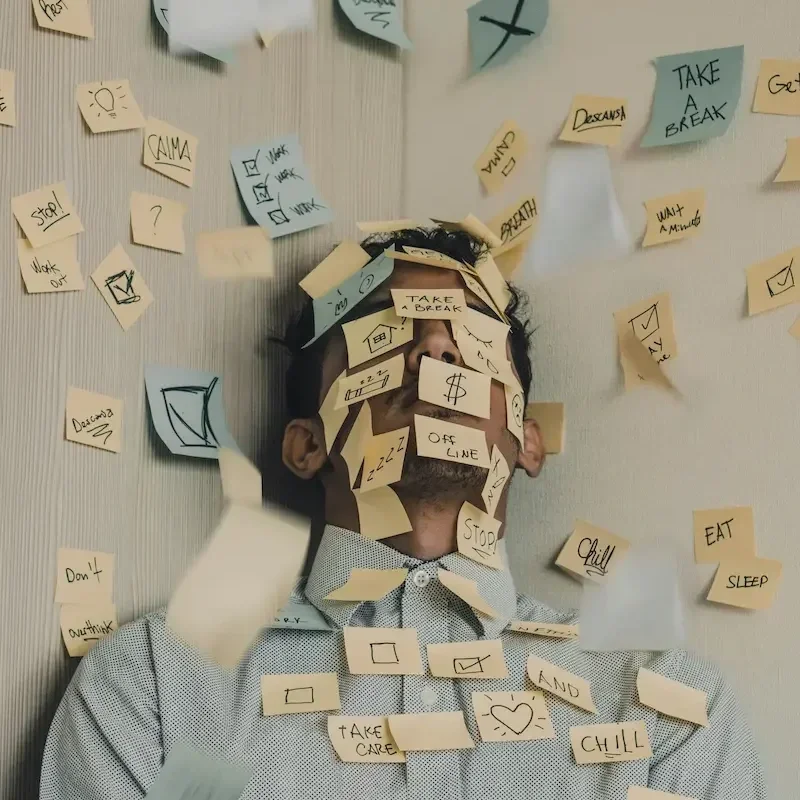
The Difference Between Acute Stress and Chronic Burnout
When clients seek support for stress management, we often begin by identifying where their symptoms fall on the spectrum. Understanding the physiological toll of stress is the first step toward reclaiming your peace:
Acute Stress Response: This is your body's immediate, short-term reaction to an event—like a tight work deadline or a difficult conversation. It triggers a temporary spike in cortisol and adrenaline, but your system naturally returns to a baseline once the stressor passes.
Allostatic Load (Chronic Stress): When stressors never let up, your body stays in a constant state of high alert. This accumulated wear and tear on the body and brain is known clinically as allostatic load. It can manifest physically as chronic fatigue, sleep disruptions, and brain fog.
Nervous System Regulation: Effective stress management is not about eliminating stress entirely; it is about building somatic resilience. Practices like deep diaphragmatic breathing, progressive muscle relaxation, and cognitive reframing help actively shift your body out of "fight-or-flight" and back into a regulated state.
How Do I Know If I have Chronic Stress Or It’s Just A “Rough Patch?
Chronic stress tends to feel persistent and pervasive rather than temporary—if symptoms like
constant worry,
irritability,
sleep problems,
fatigue,
muscle tension,
headaches,
digestive issues, or
difficulty concentrating
last for weeks to months and interfere with work, relationships, or daily functioning, that points toward chronic stress rather than a short-lived “rough patch.”
A rough patch usually follows a specific event (known as acute stress mentioned above) and gradually eases as the situation resolves or coping resources are restored.
Chronic stress often has
no clear endpoint,
accumulates from ongoing pressures (workload, caregiving, financial strain), and
may lead to changes in mood (depression or anxiety), behavior (withdrawal, substance use), or physical health (recurrent illness, elevated blood pressure).
If stress feels unrelenting, you’re unable to recover with typical self-care (sleep, exercise, social support), or you notice worsening symptoms over time, consider seeking evaluation from a mental health professional who can help identify whether it’s chronic stress and recommend appropriate treatment.
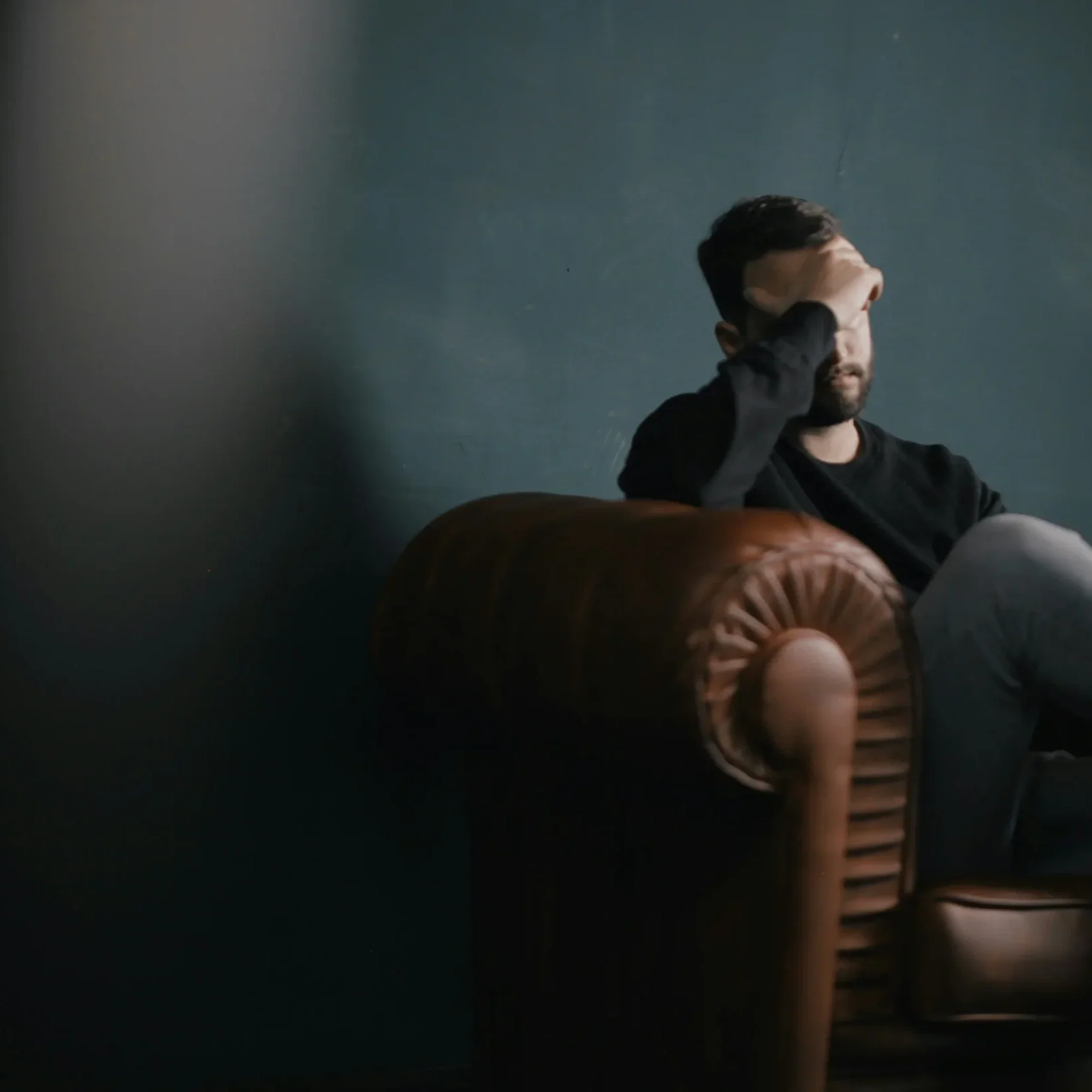
Simple Therapy Tips to Help Manage Stress
Many people seek therapy due to stress, and we could write a book on this subject (and many people have). But we want to offer you some simple steps you can take to manage stress in your life.
1. In relationships, identify the sources of stress. Write about them in a journal. Make a list of people who cause you stress and explore what the issues are.
2. Resolve the underlying issues. For each of the situations identified in step 1, assess what needs to happen to resolve it. Make a list and design a plan to improve the situation.
3. Learn skills to improve relationships. Relationship skills are learned. We are not born knowing how to get along well with others, and most of us learned only limited skills from our parents. Identify the skills you need to develop, and make a plan for yourself. You can learn these skills by reading books, taking classes, or working with a therapist.
4. Avoid toxic people and situations. Some people have a toxic effect on you. If you can, limit the amount of time you spend with them. Look for opportunities to decline their invitations. When these people are family members, remind yourself that you don’t have to feel guilty about avoiding anyone who makes you feel bad about yourself. In work situations, look for ways to rearrange your schedule or your workspace to avoid interacting with such people.
5. Seek out positive people and situations. This step is the reverse of the previous step. Look for opportunities to spend more time with people and in situations that make you feel good. Think about people who make you feel good about yourself and look for ways to increase time with them.
6. Watch what you eat. Some substances amplify the stress response. These include:
• Caffeine stimulates the release of stress hormones. This increases heart rate, blood pressure, and oxygen to the heart. Ongoing exposure to caffeine can harm the tissue of the heart.
• Refined sugar and processed flour are depleted of needed vitamins. In times of stress, certain vitamins help the body maintain the nervous and endocrine systems.
• Too much salt can lead to excessive fluid retention. This can lead to nervous tension and higher blood pressure. Stress often adds to the problem by causing increased blood pressure.
• Smoking not only causes disease and shortens life, it leads to increased heart rate, blood pressure, and respiration.
• Alcohol robs the body of nutrition that it might otherwise use for cell growth and repair. It also harms the liver and adds empty calories to the body.
During times of high stress, eat more complex carbohydrates (fruits, vegetables, whole breads, cereals, and beans).
7. Get moving. The human body was designed to be physically active. However, in most jobs today, people are sitting down most of the time. They hardly move at all except when it is time for coffee break or lunch. When faced with stressors, we respond with our minds, not our bodies. It is no wonder that many of us have a difficult time responding to stressful events.
Exercise is one of the simplest and most effective ways to respond to stress. Activity provides a natural release for the body during its fight-or-flight state of arousal. After exercising, the body returns to its normal state of equilibrium, and one feels relaxed and refreshed.
8. Look for ways to let go of tension and anxiety. Meditation and progressive relaxation are two valuable ways to regenerate and refresh yourself. You can purchase meditation and relaxation audiotapes or record your own. This is especially important because your health and long life depend on minimizing stress and achieving a sense of balance and well-being.

How Do I Know If I Need Therapy to Help Manage My Stress?
If stress is starting to interfere with your daily life—
making it hard to concentrate at work,
causing sleep problems,
increasing irritability or sadness,
affecting relationships, or
leading you to rely on alcohol, food, or avoidance to cope—
it may be time to consider therapy.
Other signs include
persistent physical symptoms (headaches, stomachaches, muscle tension),
feeling overwhelmed most days,
difficulty making decisions, or
noticing that you can’t bounce back from setbacks the way you used to.
Therapy can provide a safe, confidential space to identify triggers, learn practical stress-management skills, change unhelpful thinking patterns, and build healthier coping strategies with guidance from an experienced clinician. If stress is reducing your quality of life or lasting longer than you think it should, reaching out for professional support through anxiety therapy is a reasonable and proactive step.